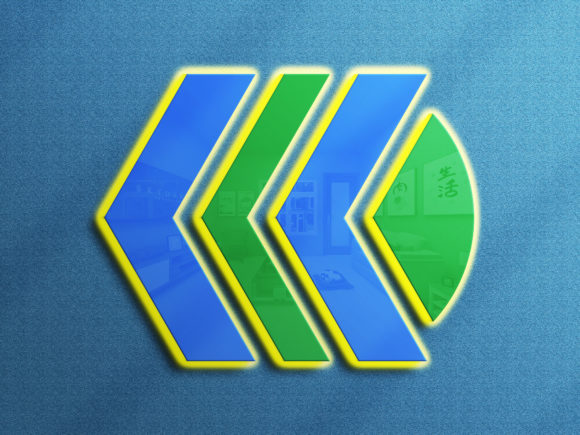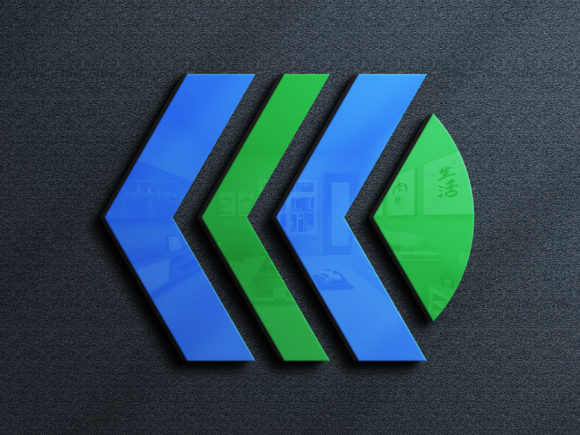
3d Realistic Reflection Logo Mockup: Elevating Brand Presentation
In the digital age, a logo is more than just a graphic; it is the visual heartbeat of a brand. However, displaying that logo on a plain white background often fails to convey its true potential. This is where a 3d Realistic Reflection Logo Mockup becomes an indispensable tool for designers, business owners, and creative professionals. By simulating real-world lighting, surfaces, and depth, this design technique transforms a flat image into a tangible, premium asset that captures attention instantly.
Understanding the mechanics behind a 3d realistic reflection logo mockup design requires looking beyond simple aesthetics. It involves a sophisticated interplay of light physics, material properties, and spatial composition. When executed correctly, the result is not merely a picture but a persuasive narrative about quality and professionalism.
What Defines a 3d Realistic Reflection Logo Mockup?
A standard logo file is typically two-dimensional. While versatile, it lacks the context needed to show how a brand identity interacts with physical or virtual environments. A 3d Realistic Reflection Logo Mockup bridges this gap by placing the logo onto a surface that mimics reality. Whether it is polished chrome, frosted glass, wet pavement, or brushed metal, the mockup calculates how light hits the object and bounces off it, creating shadows and highlights that ground the design in space.
The core characteristic of this approach is the "reflection." Unlike a simple drop shadow, which only suggests distance from a surface, a reflection implies the material's texture. A highly reflective surface, such as black marble, will create a mirror-like effect, while a semi-glossy surface like leather will produce a softer, diffused reflection. This nuance adds a layer of sophistication that flat designs simply cannot achieve.
For creators, the value lies in storytelling. A 3d realistic reflection logo mockup design allows stakeholders to visualize their brand in a high-end context before any physical production occurs. It answers the question, "Does my brand look expensive?" without spending a dime on manufacturing prototypes.
The Technical Architecture Behind the Visuals
To appreciate the utility of these tools, one must understand the technical specifications that power them. The most effective files are built within Adobe Photoshop CC version using advanced Smart Object technology. This ensures that the user does not need to be a 3D modeling expert to achieve professional results.
- Resolution and Clarity: High-quality mockups are designed at a resolution of 4000×3000 Pixel size. This dimension provides ample detail for large-format printing, web banners, and social media graphics without pixelation. It ensures that every curve and corner of the logo remains crisp when scaled up.
- Lighting Control: One of the most powerful features is the ability to adjust the lights and shadows. Users can manipulate the intensity, angle, and color temperature of the light source. This flexibility allows a designer to match the mockup to a specific environment, such as a dimly lit bar or a bright, sunlit storefront.
- Layer Organization: A well-structured file is crucial for efficiency. These templates feature well organized layers, separating the base surface, the reflection map, the shadow layer, and the logo placeholder. This separation prevents accidental edits and makes the workflow intuitive.
- Color Mode Compatibility: Operating in RGB Color Mode ensures that the images are optimized for screens, digital marketing campaigns, and online portfolios. For print-specific needs, conversion to CMYK is straightforward, but the primary design phase benefits from the vibrant gamut of RGB.
Who Benefits from This Design Approach?
The versatility of a 3d Realistic Reflection Logo Mockup means it serves a wide spectrum of users. It is not limited to professional graphic designers; rather, it is a democratizing tool for anyone who needs to present a brand effectively.
Business Owners and Entrepreneurs
For a startup founder, securing investment or attracting customers often hinges on perceived credibility. Presenting a pitch deck with a logo that looks like it belongs on a luxury car dealership or a sleek tech gadget creates an immediate impression of stability and success. A 3d realistic reflection logo mockup design helps entrepreneurs communicate their vision clearly, reducing the cognitive load on investors who have to imagine the final product.
Digital Marketing Agencies
Agencies constantly need to showcase case studies and portfolio pieces. Static images can feel dated quickly. By utilizing dynamic mockups that highlight reflections and depth, agencies can create engaging content that stands out in crowded social media feeds. The ability to easily edit the logo means they can repurpose the same template for dozens of different clients, maintaining a consistent level of quality across their entire portfolio.
Freelance Creators
Freelancers often compete on the basis of presentation speed and quality. A template that allows for easily editable logo placement saves hours of manual work. Instead of spending days rendering a scene from scratch, a creator can focus on the core design, knowing that the presentation layer is already handled by a robust, pre-built system.
Real-World Applications and Scenarios
The practical application of these mockups extends far beyond simple display. They are integral to various stages of the branding lifecycle.
- Client Presentations: When pitching a rebrand, showing the logo reflected on a modern office building or a high-end packaging box helps the client visualize the end result. This emotional connection can significantly increase the chances of approval.
- Social Media Campaigns: Platforms like Instagram and LinkedIn favor visually rich content. A 3d Realistic Reflection Logo Mockup that catches the eye with a glint of light or a subtle gradient can stop the scroll, driving higher engagement rates compared to flat imagery.
- Product Packaging Prototyping: Before committing to expensive mold creation, manufacturers use these mockups to test how a logo looks on different materials. The ability to simulate a metallic finish versus a matte plastic finish allows for data-driven decisions on packaging costs and aesthetics.
- Website Headers and Banners: A website hero section featuring a 3D rendered logo can set the tone for the entire user experience. It signals that the company pays attention to detail and invests in quality.
Evaluating Suitability for Your Project
While the benefits are clear, it is important to evaluate whether a 3d realistic reflection logo mockup design fits your specific needs. Not every brand requires a glossy, high-contrast reflection. A rustic, organic brand might benefit more from a textured, matte mockup with soft, natural lighting rather than a sharp, mirrored surface.
When selecting a template, consider the following factors:
- Brand Identity: Does the reflection style align with your brand voice? Luxury brands often pair well with deep blacks and silver reflections, while eco-friendly brands might suit wood textures and natural light.
- Technical Requirements: Ensure the file meets your output needs. If you require 4000×3000 Pixel size for a billboard, verify that the mockup supports that resolution without losing quality.
- Workflow Integration: Check if the file is compatible with your current software suite. Most high-quality mockups are designed for Adobe Photoshop CC version compatibility, ensuring smooth integration into existing workflows.
Maximizing the Potential of Your Mockups
To truly leverage the power of a 3d Realistic Reflection Logo Mockup, users should take advantage of the customization options available. Don't just drop the logo in and leave it. Use the adjust the lights and shadows feature to match the direction of light in your other assets. Consistency is key to a cohesive brand image.
Furthermore, experiment with different surfaces. A logo that looks great on glass might look out of place on concrete. By testing multiple variations, you can identify the setting that best communicates your message. Remember that the goal is not to distract from the logo itself, but to enhance its presence and make it feel inevitable.
Conclusion
In a world saturated with visual information, standing out requires more than just a good design; it requires a compelling presentation. A 3d Realistic Reflection Logo Mockup offers a bridge between abstract concepts and tangible reality. With its high-resolution capabilities, flexible lighting controls, and user-friendly structure, it empowers creators to tell better stories.
Whether you are a seasoned agency owner or a new entrepreneur, integrating a 3d realistic reflection logo mockup design into your workflow is a strategic move. It elevates the perception of your work, facilitates clearer communication with clients, and ultimately helps build a stronger, more memorable brand identity. By understanding the technical strengths—such as the well organized layers and RGB Color Mode optimization—and applying them thoughtfully, you can ensure your logo shines in any context.