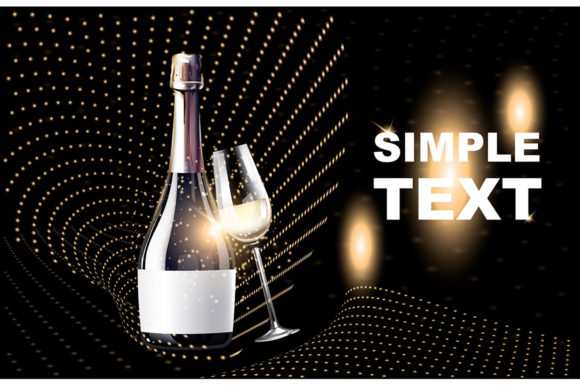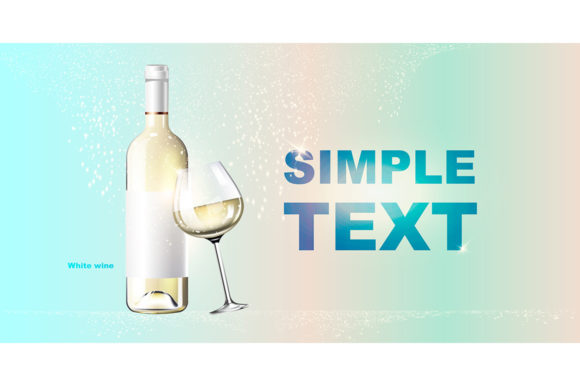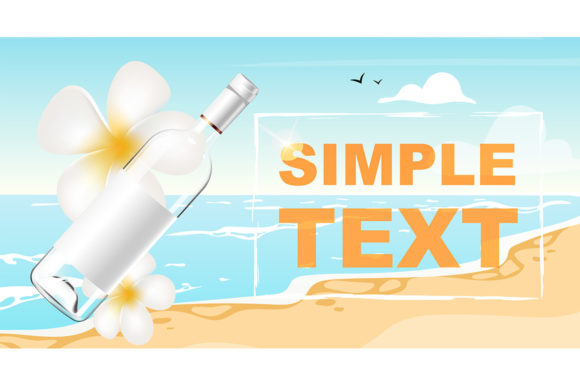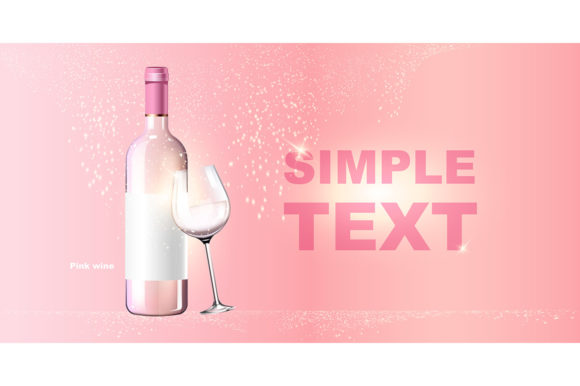
Colorful Water Bottle 3D Rendering Ideas
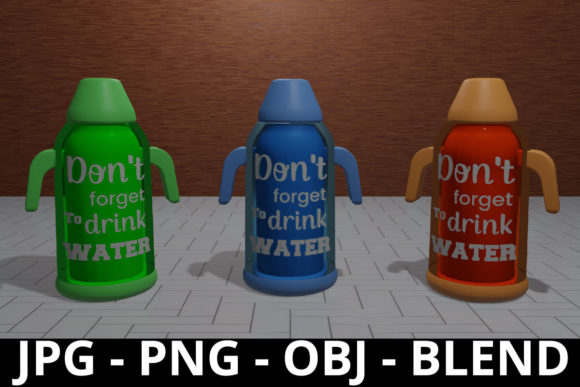
In the fast-paced world of digital design, few assets are as versatile or visually striking as a colorful water bottle 3d rendering. Whether you are a product designer looking to pitch a new eco-friendly container, a marketer preparing a campaign for a summer hydration brand, or an artist exploring abstract concepts of fluid dynamics, this specific asset offers a unique blend of functionality and aesthetic appeal. It is more than just a digital model; it is a canvas that combines the clarity of aqua liquids with the structural integrity of modern materials like plastic and glass.
The beauty of this project lies in its accessibility and adaptability. The included ZIP folder, containing high-resolution JPGs, transparent PNGs, and editable source files in BLEND and OBJ formats, provides everything needed to jumpstart your workflow. From the moment you open the file, you can manipulate the lighting, adjust the cap color, or change the liquid level to match your specific narrative. This flexibility allows creators to move beyond static images and create dynamic scenes that speak directly to themes of health, energy, and sustainability.
Why This Asset Stands Out for Designers
A realistic 3D render of a beverage container requires precision. The challenge often lies in capturing the way light interacts with both the solid structure and the liquid inside. A well-executed water bottle 3d rendering must balance the transparency of the material with the opacity of the label or the color of the drink. When done correctly, the result feels tangible. You can almost feel the condensation on the surface or see the refraction of light through the clear plastic.
This particular collection excels because it avoids the "plastic" look that plagues many low-quality renders. By focusing on clean lines, accurate reflections, and natural shadows, the models serve as perfect mockups for real-world products. The inclusion of various colors, such as vibrant greens and deep blues, allows designers to test different branding palettes without needing physical prototypes. For entrepreneurs launching a startup, this means saving significant time and money during the concept phase.
Exploring Creative Variations
The true potential of these assets emerges when you start experimenting with different styles and contexts. Here are several ways to interpret the standard water bottle model:
- Minimalist Health Concepts: Use the isolated, clean background option to focus purely on the object. Pair a simple green bottle with a splash of water droplets to evoke freshness and purity. This approach works exceptionally well for wellness blogs or fitness apps emphasizing hydration.
- Dynamic Action Shots: Instead of a static closeup, imagine the bottle in motion. Use the OBJ files to place the bottle on a rugged hiking trail or next to gym equipment. The realistic texture of the plastic catches the sunlight differently in outdoor settings, adding depth to lifestyle photography.
- Abstract Artistic Interpretations: Push the boundaries by altering the liquid properties. Make the water glow, turn into a neon color, or mix with other substances. This style is ideal for creative portfolios or album covers where the goal is to grab attention immediately.
- Eco-Friendly Narratives: Highlight the reusable aspect of the bottle. Render the scene with natural elements like moss, leaves, or sunlight filtering through trees. This reinforces the message of sustainability, a key theme for modern consumers.
Practical Applications Across Industries
While the visual appeal is obvious, the practical utility of a 3d render illustration extends far beyond aesthetics. Different professionals can leverage these assets to solve specific problems in their respective fields.
For Marketers and Advertisers
Campaigns often require a consistent look across multiple platforms. Having a library of high-quality mock ups ensures that your product looks professional whether it appears on a billboard, a social media story, or an email newsletter. You can easily swap the logo on the bottle using the layered PSDs or simply composite the PNG over a custom background. This speed allows teams to A/B test different designs quickly without waiting for photoshoots.
For Educators and Content Creators
Teachers and bloggers often struggle to find relevant imagery that isn't generic stock photography. A detailed 3D model of a thermos or a sport bottle can be used to explain concepts related to chemistry (thermal retention), biology (hydration importance), or environmental science (plastic waste). The ability to zoom in on the cap mechanism or show the internal structure helps make complex topics easier to understand for students.
For Product Developers
Bridging the gap between a sketch and a final manufactured product is difficult. These 3D files act as a bridge. Designers can import the BLEND files into their own software to tweak dimensions, add textures, or simulate how the bottle feels in the hand. It serves as a reliable reference point for manufacturing teams, ensuring that the final physical product matches the digital vision.
Maintaining Quality and Consistency
As you work with these files, keeping your results clear and effective is paramount. One common mistake is over-saturating the image. While the prompt suggests "colorful," the best designs often rely on subtlety. Let the transparent quality of the bottle do the heavy lifting rather than relying solely on bright, clashing colors. If you are designing for a corporate client, stick to a cohesive palette that aligns with their brand guidelines.
Organization is another critical factor. Since the ZIP folder contains multiple formats (JPG, PNG, BLEND, OBJ), establish a naming convention before you begin. Create folders for "Renders," "Source Files," and "Exports." This practice not only keeps your current project tidy but also makes it easier to reuse assets in future campaigns. When exporting your final images, always choose a resolution that supports your intended use case. A closeup shot for a website banner requires higher detail than a thumbnail for a mobile app.
Technical Considerations for Realism
To achieve the most convincing results, pay attention to the lighting setup. The interaction between the light source and the curved surface of the bottle creates highlights that define its shape. In a realistic render, avoid harsh, flat lighting. Instead, try using softboxes or HDRI environments to create gradual transitions from light to shadow. This adds volume and makes the object feel grounded in the scene.
Furthermore, consider the context of the liquid. Is it ice-cold water with visible bubbles? Is it a warm herbal tea with steam rising? These small details significantly impact the viewer's perception. Adding subtle imperfections, like a fingerprint smudge or a tiny scratch, can actually enhance realism by making the object feel lived-in rather than perfectly sterile.
Future-Proofing Your Designs
The landscape of digital content is constantly evolving. What works today might need to be adapted tomorrow. By starting with a robust base like a 3d render illustration of a water bottle, you position yourself to adapt to new trends effortlessly. As virtual reality and augmented reality become more mainstream, having a high-quality 3D model ready to be placed in a 360-degree environment becomes increasingly valuable.
Whether you are creating a concept for a kid's toy line, a sleek thermos for athletes, or a sustainable mug for office workers, the foundation remains the same: understanding the form, respecting the material, and telling a story through visuals. The freedom provided by the editable source files empowers you to iterate rapidly, turning a simple idea into a polished, professional asset that stands out in a crowded marketplace.
Ultimately, the value of a colorful water bottle 3d rendering is not just in the image itself, but in the possibilities it unlocks. It invites you to experiment, to question, and to create something that resonates with your audience on a deeper level. By combining technical skill with creative vision, you can transform a basic digital object into a powerful tool for communication and inspiration.