3d Light Reflection Logo Mockup Design: Elevating Your Brand Identity
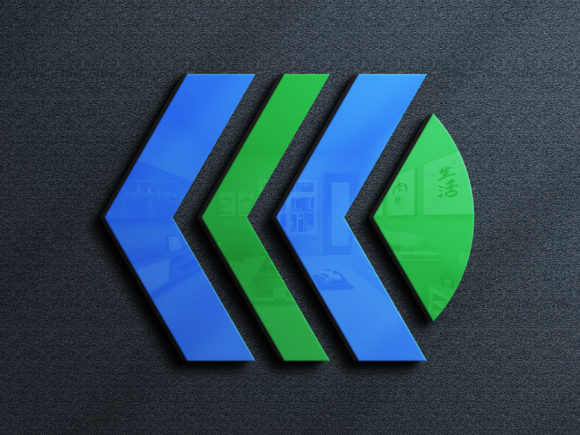
When you spend hours perfecting a logo, the last thing you want is for it to look flat or lifeless in your portfolio. A static image often fails to capture the full potential of a brand's personality. This is where a 3d Light Reflection Logo Mockup Design becomes an essential tool. It transforms a simple vector file into a dynamic visual experience that mimics real-world lighting conditions, adding depth and professionalism instantly.
Many designers and business owners overlook the power of realistic rendering. They might settle for basic shadows or ignore how light interacts with different surfaces. The result is a presentation that feels dated compared to modern standards. By utilizing a high-quality mockup, specifically one featuring vibrant neon effects or specific color palettes like yellow light reflection, you ensure your design stands out in a crowded digital marketplace.
Understanding the Power of Realistic Lighting
A standard logo file is just lines and colors on a white background. However, in the real world, logos exist on physical objects—billboards, storefronts, product packaging, or illuminated signs. These objects interact with light in complex ways. A 3d colorful neon logo mockup simulates these interactions by adjusting lights and shadows to create a sense of volume and atmosphere.
When you present a client with a flat image, they have to imagine how it looks in reality. When you show them a 3D render with accurate reflections, the decision-making process becomes much faster. The visual impact is immediate. This is particularly true for brands focusing on nightlife, technology, or creative industries where energy and vibrancy are key selling points.
Consider the difference between a logo printed on a matte surface versus one glowing on a glass facade. The latter requires specific lighting adjustments to look authentic. Without these details, the mockup can appear fake, which undermines the credibility of your entire design project.
The Specific Appeal of Yellow Light Reflections
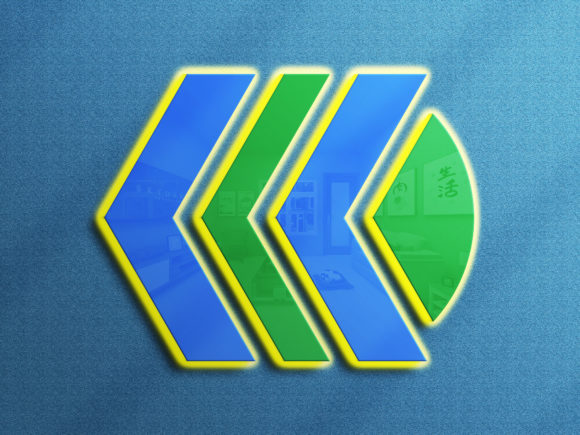
While many mockups offer generic white or blue lighting, a 3d yellow light reflection logo mockup design offers a unique emotional connection. Yellow is often associated with optimism, warmth, and creativity. In a dark environment, a yellow neon glow creates a welcoming and energetic vibe that white light cannot replicate.
This specific variation is not just about aesthetics; it is about context. If you are designing a logo for a coffee shop, a bakery, or a summer festival, a cool blue light might feel too sterile. A warm yellow reflection grounds the design in a cozy, inviting atmosphere. Understanding this nuance helps you choose the right tool for the job rather than using a one-size-fits-all approach.
Pitfalls to Avoid When Choosing Mockups
Even with powerful tools available, making the wrong choice can lead to disappointing results. One common mistake is selecting a mockup without verifying the file specifications. You might download a "premium" mockup only to find it lacks the necessary layers for customization. This leads to frustration when you try to change the colors or adjust the lighting intensity.
Another frequent error involves ignoring the resolution requirements. A low-resolution mockup will look pixelated when displayed on large screens or printed materials. Always check the pixel dimensions before downloading. For professional work, you need something substantial, such as a file that supports up to 4000×3000 pixels. This ensures that every detail of your logo remains crisp, regardless of where it is viewed.
Furthermore, be wary of files that are not organized logically. If the layers are merged or named confusingly, editing becomes a nightmare. You should expect a well-organized structure that separates the background, the lighting effects, the shadow layers, and the smart object placeholders. This organization saves time and reduces the risk of accidentally breaking the design while trying to make quick adjustments.
Technical Compatibility Matters
Not all software handles 3D mockups equally. Many free resources are designed for older versions of design software or require plugins that complicate the workflow. To ensure a smooth experience, verify that the file is compatible with Adobe Photoshop CC version Smart objectives. This feature allows you to double-click a layer and replace your logo without altering the surrounding lighting effects.
If you are working in a team or sharing files with clients, compatibility is even more critical. Using a format that relies on obscure features can cause issues when the recipient opens the file. Stick to standard RGB Color Mode files unless you have a specific reason to work in CMYK, which is typically reserved for print production rather than digital presentations.
Optimizing Your Workflow for Better Results
Once you have selected the right mockup, the next step is to use it effectively. Do not simply drop your logo into the template and hope for the best. Take the time to adjust the lights and shadows to match your specific brand identity. Sometimes the default lighting is too intense, washing out the details of your design. Slightly dimming the glare or shifting the angle can make a significant difference.
Easily editable logo templates are designed to give you control, but you must take that control. Experiment with the opacity of the light layers. Try moving the light source closer to the logo to see how the reflection changes. These small tweaks add a layer of realism that generic templates often lack. It shows attention to detail and a deep understanding of your craft.
For beginners, the temptation is to overuse effects. Adding too many glows or reflections can make the design look cluttered and unprofessional. Remember that less is often more. The goal is to enhance the logo, not to distract from it. A subtle yellow reflection might be more effective than a blinding neon burst, depending on the context.
Evaluating Quality Before You Commit
Before purchasing or downloading a 3d Light Reflection Logo Mockup Design, take a moment to review the preview images closely. Look for consistency in the lighting direction. Does the shadow fall naturally? Is the reflection consistent with the material shown? Inconsistencies here can break the illusion and make the final output look cheap.
Check the file size and format as well. Large files can slow down your computer, especially if you are working on multiple projects simultaneously. Ensure the file includes instructions or a guide on how to edit the smart objects. Clear documentation is a sign of a quality product and can save you hours of troubleshooting.
Finally, consider the versatility of the mockup. Can it be used for various scenarios? A good mockup should allow you to adapt the scene for different backgrounds or contexts without needing to recreate the lighting from scratch. This flexibility increases the value of the asset and makes it a worthwhile investment for your creative toolkit.
By avoiding these common pitfalls and focusing on quality, compatibility, and thoughtful adjustment, you can leverage the power of 3D lighting to elevate your branding. Whether you are a freelancer pitching to a new client or a marketer launching a campaign, the right visual presentation can be the difference between being noticed and being overlooked. Invest time in finding the right tools, and let your designs shine with the clarity and depth they deserve.