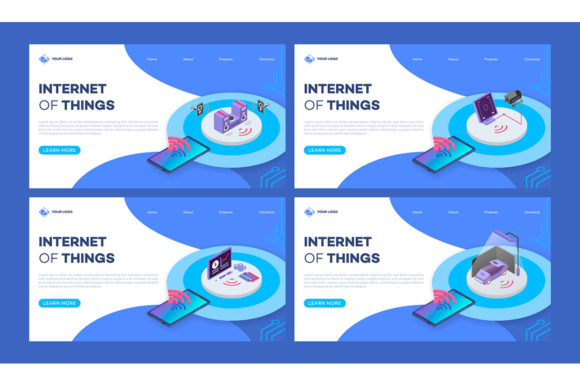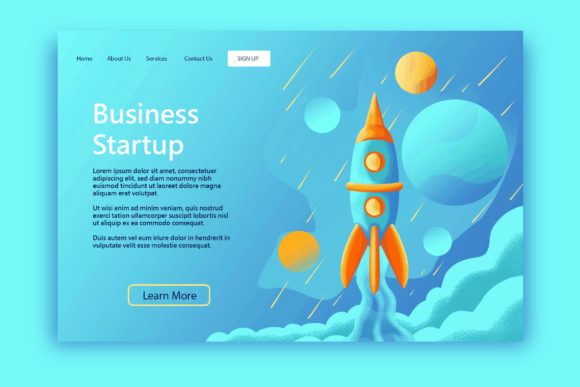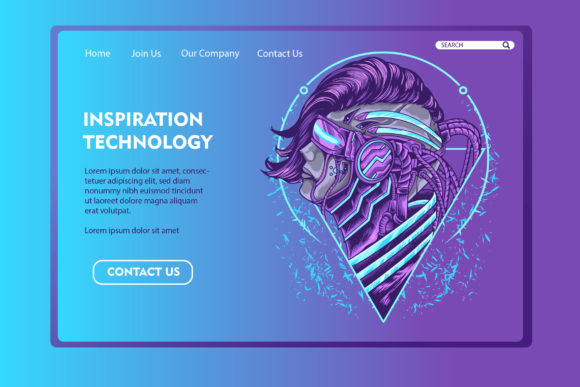
Technology Landing Page Template: Elevate Your Digital Presence with 3D Conceptual Design
In the crowded digital landscape, a static image often fails to capture attention. Users scroll past generic layouts at breakneck speeds, seeking something that feels tangible, modern, and interactive. This is where a Technology Landing Page Template featuring 3D conceptual visual design becomes essential. It is not merely about aesthetics; it is about creating an immersive experience that communicates complex ideas instantly. Whether you are a startup founder pitching a new SaaS product or a freelancer showcasing a creative portfolio, the right template can bridge the gap between your vision and your audience's understanding.
These templates are specifically engineered for businesses that offer customers diverse options or products that look spectacular in three dimensions. By integrating high-quality vector illustrations into a landing page, you transform a simple visit into an engaging journey. However, selecting the right resource involves more than just downloading the first file you find. There are critical details regarding file formats, color modes, and resolution that can make or break your project's success.
Navigating File Formats and Technical Specifications
One of the most common pitfalls when purchasing or downloading a Technology Landing Page Template is overlooking the specific file types included. A robust package should provide files in multiple formats to ensure versatility across different workflows. You will typically find .AI (Adobe Illustrator), .EPS (Encapsulated PostScript), and .JPG (JPEG) files included in a complete set.
The .AI format is the gold standard for designers because it preserves layers, allowing you to edit individual elements without losing quality. The .EPS format offers similar scalability but is often preferred for compatibility with older design software or specific printing workflows. Meanwhile, the .JPG version serves as a quick preview or a ready-to-use asset for web developers who do not need to edit the underlying vectors.
If a template lacks these variations, you may find yourself stuck trying to convert files later, which can degrade image quality or lock you out of editing features. Always verify that the package includes the native vector formats before committing. Additionally, check the color mode. Professional design work usually requires RGB Format Color for digital screens, ensuring that the colors appear vibrant on monitors and mobile devices. If you see CMYK listed as the primary mode without an RGB conversion, you might end up with dull, muted colors once the site goes live.
The Importance of Resolution and Vector Integrity
Resolution matters significantly even for digital assets. While vectors are theoretically infinite, the raster previews and embedded images within the template must be crisp. A specification of 150 DPI is generally acceptable for screen-based presentations and web portfolios, providing a balance between file size and visual fidelity. However, if you plan to use these visuals for large-format prints or high-resolution displays, ensure the source vectors remain sharp regardless of scaling.
A critical component of this template set is the inclusion of 100% Vector graphics. Vectors allow you to resize illustrations from a tiny favicon to a massive hero banner without any pixelation. Many beginners mistake low-quality raster images for vectors, leading to blurry logos and jagged edges when they try to stretch the design. By using a template built entirely on vector paths, you guarantee that your brand looks professional at any size. This flexibility is particularly vital for responsive web design, where layouts shift constantly based on the user's device.
Avoiding Common Mistakes in Template Selection
Even with a high-quality Technology Landing Page Template, users often stumble due to poor planning or unrealistic expectations. One frequent error is ignoring the font licensing. Many premium templates come bundled with free fonts that are safe for commercial use, but others may require a separate purchase. Using unlicensed typography can lead to legal issues down the line. Before finalizing your download, read the license agreement carefully to confirm that the included fonts are free for commercial projects.
Another oversight involves the customization process. Some creators assume that because a template looks good in a demo, it will automatically fit their content. In reality, replacing placeholder text and images with your own assets requires time and attention to detail. If you rush this step, you might end up with mismatched aspect ratios or cluttered layouts that defeat the purpose of the original design. Take the time to map out your content hierarchy before opening the design software.
Furthermore, do not underestimate the importance of the 3D Conceptual visual design illustration concept itself. These illustrations are powerful tools for storytelling, but they can also overwhelm a user if overused. A balanced approach uses 3D elements to highlight key features or calls to action rather than filling every corner of the screen. When used correctly, a 3D illustration draws the eye to the most important information, such as a "Get Started" button or a unique selling proposition.
Practical Strategies for Implementation
To get the most out of your Technology Landing Page Template, start by auditing your current goals. Are you trying to generate leads, showcase a product, or build a personal brand? Different objectives require different layout adjustments. For instance, a B2B service provider might prioritize clear value propositions and trust signals, while a creative agency might focus on visual impact and artistic flair.
When customizing the design, maintain consistency in your color palette. Since the template provides an RGB Format Color scheme, stick to those hues to preserve the intended mood. Deviating too far from the original palette can make the design feel disjointed. Use the provided vectors to create variations of your branding elements, such as icons or background patterns, ensuring a cohesive look throughout the site.
Consider the user experience (UX) implications of your choices. 3D illustrations are visually striking, but they must not slow down your page load times. Optimize your images and code to ensure fast performance. A beautiful design that takes ten seconds to load will lose visitors faster than a simpler, faster-loading alternative. Test your landing page on various devices to ensure the 3D elements render correctly on both desktop and mobile screens.
Evaluating Quality Before You Buy
Before making a decision, always review the sample images and file descriptions thoroughly. Look for evidence of clean layer structures in the .AI files. If possible, request a preview of the editable source files to check for hidden complexities. A well-organized template will have clearly named layers and grouped objects, making it easy for you to navigate and modify. Conversely, a messy file structure can turn a simple edit into a frustrating ordeal.
Check the support resources as well. Does the seller provide documentation or tutorials on how to use the template? Having access to guides can save hours of troubleshooting, especially if you are new to vector editing software. A supportive ecosystem ensures that you can leverage the full potential of the 100 Vector assets included in the package.
Ultimately, the goal is to create a digital presence that stands out. By choosing a Technology Landing Page Template with high-quality 3D illustrations, proper file formats, and scalable vectors, you set a strong foundation for success. Avoid the shortcuts that lead to poor results, and instead invest time in understanding the technical requirements. With the right approach, this template can become a powerful tool that helps you communicate your message effectively, engage your audience, and achieve your business goals.
Remember, the difference between a forgettable website and a memorable one often lies in the details. Pay attention to the nuances of file types, resolution, and design principles. By doing so, you ensure that your technology landing page not only looks great but functions flawlessly, delivering a seamless experience for every visitor.