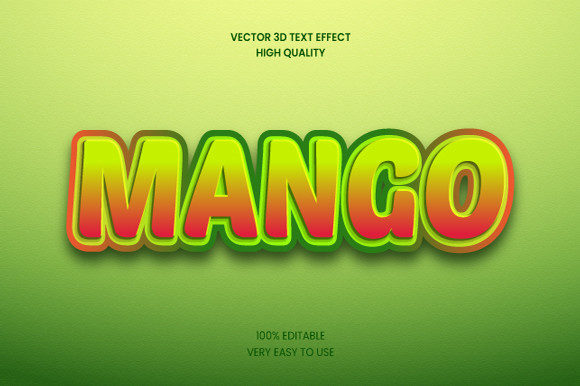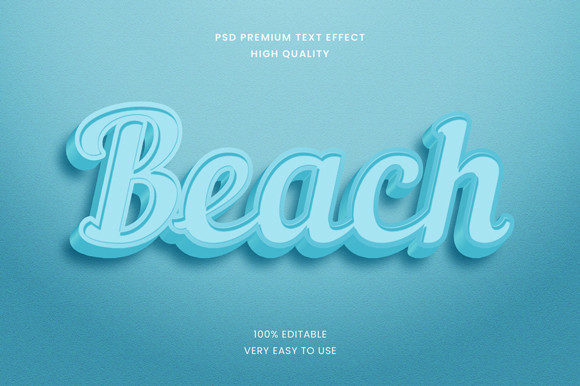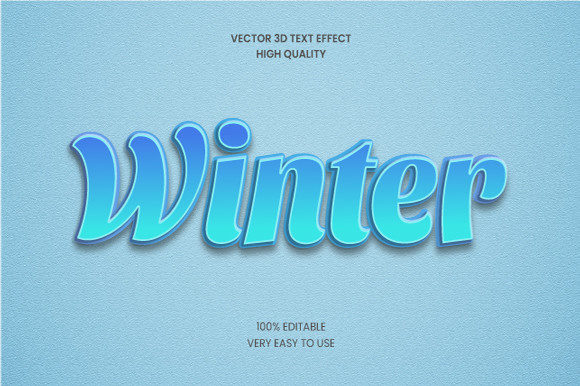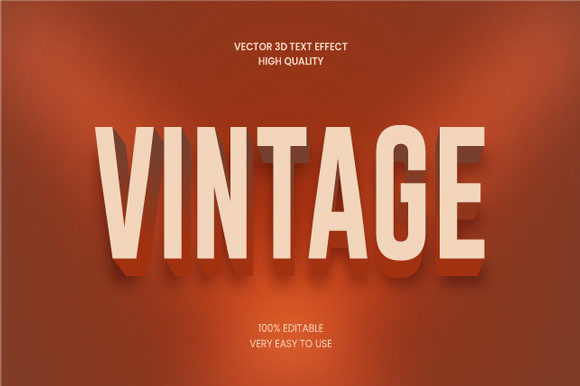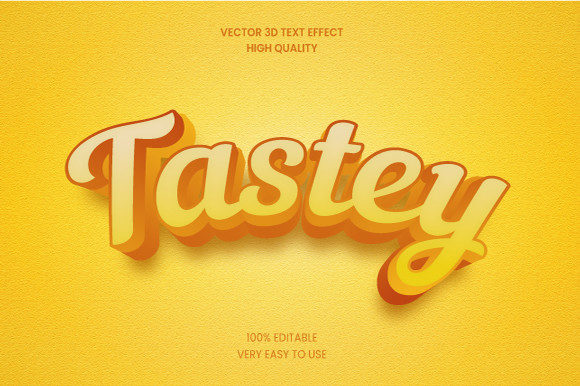
Tastey 3d Text Effect Mockup Graphic Evaluation
In the competitive landscape of digital and print design, typography often serves as the primary focal point. Designers frequently seek methods to elevate standard text into compelling visual assets that capture attention immediately. The Tastey 3d Text Effect Mockup Graphic represents a specific solution within this category, offering a pre-constructed environment for applying three-dimensional text effects. This evaluation explores the functionality, technical specifications, and practical applications of this asset to help designers determine if it aligns with their current project requirements.
Understanding the Asset Structure
The core value of the Tastey 3d Text Effect Mockup Graphic lies in its editable architecture. Unlike static images or complex compositions that require advanced manual manipulation, this asset is designed for immediate usability. The file structure is described as fully layered and well-organized within folders, a critical feature for professional workflows. This organization allows users to isolate specific elements of the design without affecting the overall composition.
Users receive access to multiple file formats, including editable Ai files and editable EPS files. These native vector formats are essential for scalability, ensuring that the text effects remain crisp regardless of the output size. Additionally, the inclusion of a PDF file provides extra support for viewing and basic adjustments, while a print-ready SVG cut file extends the utility of the design into physical production environments like vinyl cutting or laser engraving. The resolution is specified at 2000×1200 pixels, which offers sufficient detail for high-quality web displays and moderate print projects.
Practical Applications and Use Cases
The versatility of this mockup graphic makes it suitable for a wide array of creative endeavors. Its primary strength is the ability to replace existing text instantly. This feature is particularly beneficial for professionals who need to generate variations of a design quickly. Below are common scenarios where this asset proves effective:
- Web Elements and Banners: Creating eye-catching headers or call-to-action buttons for websites requires text that stands out against complex backgrounds. The 3D effect adds depth that flat designs often lack.
- Logo Presentations: When pitching logo concepts to clients, presenting them in a realistic 3D context helps visualize the final product's impact on signage or merchandise.
- Print Templates: For marketing materials such as flyers or brochures, the high-resolution nature of the file ensures professional quality upon printing.
- T-Shirt Design and POD: Print-on-demand businesses often rely on templates that can be customized rapidly. The editable layers allow for quick adaptation of slogans or brand names across different apparel products.
- KDP Book Cover Design: Self-publishing authors require covers that look polished. Using a 3D text effect can add a premium feel to book titles without the cost of hiring a custom illustrator.
Technical Considerations and Workflow
While the promise of "very easy to edit" is a significant selling point, understanding the technical workflow is necessary for success. The files are delivered in a compressed zipped format. To access the resources, users must extract the folder by right-clicking and selecting "Extract Here." This step is fundamental; attempting to open the files directly from the zip archive will result in errors or missing data.
Once extracted, the editing process relies on standard vector software capabilities. Because the layers are well-organized, users should be able to locate the text layer easily and input their desired copy. However, the "100% editable" claim assumes a certain level of familiarity with Adobe Illustrator or compatible software. Users unfamiliar with manipulating vector layers may find the transition from a template to a finished piece requires a learning curve, even if the interface is simplified.
Benefits and Tradeoffs
Adopting the Tastey 3d Text Effect Mockup Graphic offers distinct advantages over creating a 3D effect from scratch. The most significant benefit is time efficiency. Generating realistic lighting, shadows, and perspective manually can take hours; using this mockup reduces that process to minutes. Furthermore, the inclusion of an SVG cut file bridges the gap between digital design and physical manufacturing, a feature not always present in standard mockups.
However, there are tradeoffs to consider. Since the base design is fixed, the range of stylistic customization is limited to the parameters set by the creator. If a designer needs a highly unique texture or a non-standard lighting angle that deviates significantly from the original mockup, they may find the asset restrictive. In such cases, starting from a blank canvas might yield better results, albeit at a higher cost in time and effort.
Another consideration is the file size and resolution. While 2000×1200 pixels is adequate for many purposes, large-scale outdoor advertising or massive print runs may require higher resolutions than what is provided. Designers must verify that this dimension meets the specific DPI (dots per inch) requirements of their intended print medium before committing to the purchase.
Situational Fit and Alternatives
This asset is a strong fit for freelancers, small business owners, and content creators who prioritize speed and consistency. It is ideal for those working on tight deadlines who need to produce multiple versions of a design for A/B testing or client presentations. The availability of both vector and raster-friendly formats makes it particularly useful for hybrid workflows involving both screen and print media.
Conversely, alternatives may be worth considering for specific needs. If the goal is to create a completely bespoke typographic identity with no resemblance to existing trends, a custom illustration service or a more granular 3D modeling tool (such as Blender or Cinema 4D) would be more appropriate. Similarly, if the project requires extreme print resolution beyond the current pixel dimensions, sourcing a higher-tier mockup or building a custom setup is advisable.
Decision-Making Insights
To determine if the Tastey 3d Text Effect Mockup Graphic aligns with your goals, evaluate your current resource constraints. Ask yourself if you have the time to model 3D text from scratch or if you need a reliable template to accelerate your workflow. Consider the diversity of your output: if you are producing T-shirts, book covers, and web banners simultaneously, the multi-format delivery (AI, EPS, PDF, SVG) of this asset offers significant logistical value.
Ultimately, the decision rests on the balance between customization and convenience. For designers seeking a robust foundation to build upon quickly, this mockup provides a structured and efficient pathway. By understanding the extraction process, the limitations of the fixed design, and the scope of its supported formats, users can effectively leverage this tool to enhance their visual communication strategies.