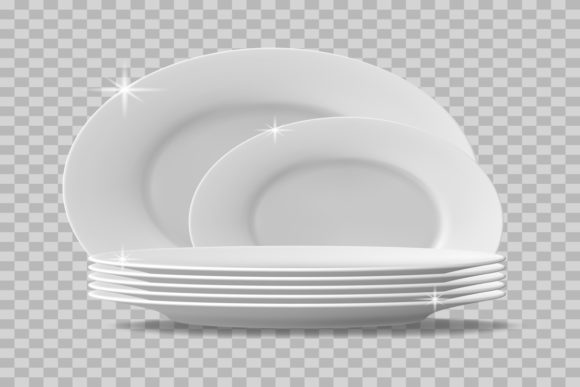
Realistic Plates Stack: Elevate Your Culinary Branding
In the crowded landscape of digital and print media, visual storytelling often hinges on a single, powerful element. For designers and brand strategists working in the food industry, the difference between a generic image and a compelling narrative frequently comes down to authenticity. Realistic Plates Stack is not merely a collection of clipart; it is a sophisticated design asset engineered to bring a tangible sense of texture and depth to your projects. This illustration features a 3D porcelain crockery set that functions as high-end decorations for restaurant concepts, kitchen environments, or cooking-related content.
The appeal of this asset lies in its ability to mimic the subtle imperfections and glossy finishes of real-world ceramics. Unlike flat vector icons that can feel sterile, this stack captures the weight and presence of actual dinnerware. It offers a premium aesthetic that resonates immediately with audiences who value quality and craftsmanship. Whether you are crafting a menu for a bistro or designing packaging for artisanal goods, the inclusion of such realistic elements signals professionalism and attention to detail before a single word is read.
Visual Character and Design Personality
At first glance, Realistic Plates Stack exudes a clean, modern elegance. The porcelain finish suggests purity and sophistication, making it an ideal choice for brands that want to communicate hygiene, freshness, and culinary excellence. The three-dimensional rendering provides a layer of realism that flat illustrations simply cannot achieve. When placed against a background, these plates appear to have physical substance, casting soft shadows and reflecting light in a way that grounds the design in reality.
This style bridges the gap between editorial photography and graphic design. It retains the crispness required for scalable graphics while offering the organic feel of a photograph. The personality of the stack is versatile yet distinct; it is friendly enough for a family-friendly blog but refined enough for a luxury dining review. By incorporating these 3D elements, designers can create a cohesive visual language that feels both curated and authentic. The stack serves as a natural focal point, drawing the eye without overwhelming the surrounding typography or imagery.
Strategic Applications Across Creative Projects
The utility of Realistic Plates Stack extends far beyond simple decoration. Its versatility makes it a valuable component in various professional workflows, from logo design to comprehensive brand identity systems. In the realm of logo design, these elements can be used as subtle icons or central motifs for cafes, bakeries, and catering services. Because the files are provided in EPS10 format, they scale effortlessly, ensuring that the crisp edges of the porcelain remain intact whether viewed on a mobile screen or printed on a large storefront banner.
For editorial design and publishing, this asset adds a layer of visual interest to articles about recipes, restaurant reviews, or food trends. Instead of relying solely on stock photography, which can sometimes feel overused, designers can integrate these 3D elements into layouts to create unique, custom graphics. This approach enhances brand identity by giving publications a distinct look that stands out in a feed filled with generic images. In packaging design, the stack can serve as a background texture or a primary decorative element, adding a tactile quality to product labels that encourages customers to pick up the item.
Digital marketing campaigns also benefit significantly from this type of creative font and imagery combination. Social media graphics require immediate visual impact to stop the scroll. A well-composed image featuring Realistic Plates Stack combined with strong modern typography can drive higher engagement rates. The realistic nature of the plates builds trust with the viewer, suggesting that the content behind the image is equally genuine and high-quality. Furthermore, for bloggers and content creators, these assets save time by providing ready-made, high-resolution visuals that align perfectly with current design trends favoring 3D and photorealistic aesthetics.
Impact on Readability and Visual Hierarchy
One of the most critical aspects of effective design is establishing a clear visual hierarchy. Realistic Plates Stack plays a pivotal role in this process by acting as a supporting anchor rather than a distraction. When used correctly, the 3D elements guide the viewer's eye toward the most important information, such as a headline or a call-to-action button. The contrast between the detailed, textured plates and the clean lines of accompanying text creates a balanced composition that is easy to navigate.
In terms of readability, the neutral yet rich tones of the porcelain allow for flexibility in color pairing. Designers can overlay text in bold, contrasting colors without the background competing for attention. This ensures that the message remains clear and legible across different mediums. The consistency provided by using a unified set of assets like this stack helps maintain a professional appearance throughout a project. Whether it is a series of Instagram posts or a multi-page brochure, the recurring use of these plates reinforces brand recognition and creates a seamless user experience.
Audience engagement is further boosted when the visual elements resonate with the subject matter. Food is inherently sensory, and seeing realistic representations of tableware triggers positive associations with dining and hospitality. This psychological connection can increase the time users spend interacting with your content, leading to better conversion rates for commercial projects. By leveraging the inherent appeal of premium font styles paired with these high-quality graphics, brands can elevate their perceived value and establish authority in their niche.
Practical Guidance for Implementation
To get the most out of Realistic Plates Stack, it is essential to evaluate how the asset fits within your specific project constraints. The package includes one EPS10 file and a 72ppi JPEG preview, offering both scalability for print and quick visualization for web drafts. When selecting this asset, consider the overall tone of your project. If you are aiming for a rustic or handcrafted feel, these polished porcelain plates might need to be stylized or colored to match. However, for modern, sleek, or minimalist designs, they fit naturally without modification.
Evaluating font pairing is another crucial step. Since the plates are highly detailed, they pair best with typefaces that offer clarity and structure. A clean sans serif font works well for headlines to complement the modern feel, while a classic serif font can add a touch of tradition for more formal contexts. Avoid overly decorative or handwritten fonts unless you are intentionally creating a playful, eclectic contrast. Testing these combinations in your layout software will help you determine the optimal balance between the graphical elements and the textual content.
Finally, always review the licensing terms before deploying these assets in commercial projects. As a commercial font and design asset, understanding the scope of usage rights is vital for protecting your business. Ensure that your intended use—whether for client work, internal branding, or public distribution—aligns with the license agreement. By following these practical steps, you can harness the full potential of Realistic Plates Stack to create designs that are not only visually stunning but also strategically sound and professionally executed.