But First Wine Realistic Vector Product: Elevating Your Tasting Event Design
There is a specific kind of magic that happens when a wine tasting event feels both luxurious and effortlessly cool. It isn't just about the vintage in the glass; it is about the visual language that invites guests to relax, sip, and enjoy. This is where the But First Wine Realistic Vector Product steps in as a game-changer for designers, marketers, and event planners who want to create premium alcohol tasting advertisements without spending weeks on 3D rendering.
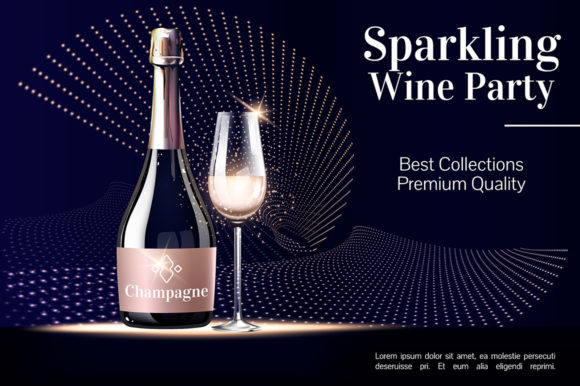
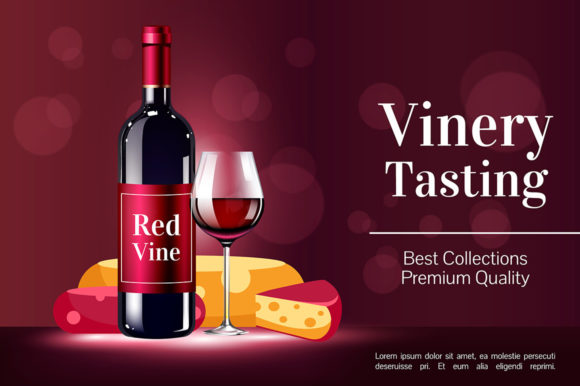
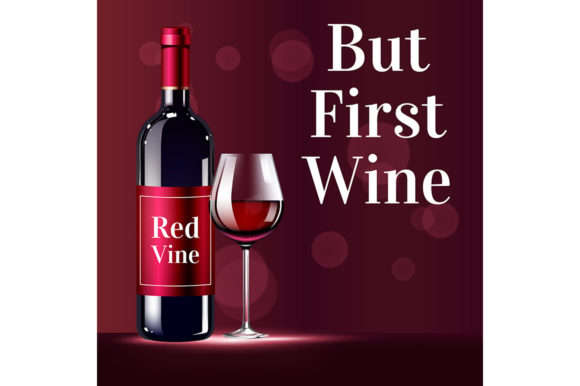
This template transforms the simple phrase "But first, wine" into a high-impact visual statement. Featuring a stunning red wine bottle rendered in 3D against a dynamic glitch background, the design bridges the gap between classic elegance and modern digital artistry. Whether you are promoting a boutique vineyard, organizing a corporate mixology night, or launching a new label, this resource provides the foundation for a flyer, brochure, or poster that demands attention.
Why This Design Resonates with Modern Audiences
The concept of "But first, wine" has evolved from a casual social media caption into a lifestyle declaration. When applied to advertising, it signals a break from the routine, an invitation to indulge, and a nod to the culture of appreciation. The But First Wine Realistic Vector Product captures this sentiment perfectly by blending two distinct aesthetic worlds.
On one side, we have the realism of the wine bottle itself. The texture, the reflection on the glass, and the deep crimson hue of the liquid evoke a sense of authenticity and quality. On the other side, the glitch background introduces an element of edginess and contemporary flair. This juxtaposition prevents the design from feeling like a traditional, stuffy wine advertisement. Instead, it appeals to a younger demographic—adults aged 20 to 50—who appreciate wine but also value bold, artistic expression.
Real-World Applications Across Industries
The versatility of this vector product extends far beyond a single use case. While it is technically a template, its true value lies in how different professionals adapt it to solve specific marketing challenges. Here are several scenarios where this design shines.
Independent Vineyards and Wineries
Small-scale wineries often struggle to compete with the glossy brochures of major corporations. They need materials that feel artisanal yet professional. A winery owner can use the But First Wine Realistic Vector Product to create a limited-edition flyer for a harvest festival. By swapping the generic text for their specific varietal name, such as "Cabernet Sauvignon Night," they instantly elevate their brand perception. The glitch effect suggests that this is not just any wine; it is something unique, experimental, and worth trying.
Creative Agencies and Event Promoters
For agencies managing nightlife events or pop-up tasting rooms, time is money. Creating a custom 3D mockup for every campaign is prohibitively expensive and slow. This template offers a ready-made solution. An event promoter can take the EPS or AI file, adjust the typography to match the event's theme, and produce a high-resolution JPG for Instagram ads within minutes. The realistic nature of the bottle ensures that the promotional material looks authentic, while the glitch background adds the necessary energy to drive ticket sales.
Retailers and Bottle Shops
Local liquor stores looking to highlight a specific selection of premium wines can use this design for window displays or in-store signage. Imagine a large format poster featuring the bottle on a dark, moody background with neon-style glitch effects. It draws passersby into the store. The design works equally well for email newsletters or digital catalogs, providing a consistent visual anchor for the retailer's "Wine of the Month" feature.
Fashion and Lifestyle Brands
Interestingly, the aesthetic of this template transcends the beverage industry. Fashion brands hosting after-parties or lifestyle influencers collaborating with wine labels can utilize this asset. The "glitch" motif aligns well with streetwear and modern urban fashion trends. By integrating the bottle into a broader campaign about "weekend vibes," these brands can tap into the same emotional response that wine lovers feel.
Practical Considerations for Implementation
While the potential of the But First Wine Realistic Vector Product is vast, successful implementation requires a bit of strategic thinking. It is not simply a matter of dropping the image into a document and printing it. To get the most out of this tool, users should consider a few key factors.
Typography is Key: The template includes typography elements, but the font choice can make or break the vibe. If you aim for a sophisticated, high-end tasting experience, pair the glitch background with a clean, serif typeface to maintain readability and elegance. Conversely, if the goal is a wild, energetic party atmosphere, a bold sans-serif or even a hand-drawn script might complement the chaotic energy of the glitch effect better. The contrast between the structured text and the distorted background creates visual interest.
Color Adaptation: The default red wine bottle is striking, but what if your client sells white wine or rosé? Because the file comes in editable formats like AI and SVG, colorists can easily shift the hue of the liquid and the label. However, changing the color too drastically might reduce the "realism" factor if the lighting doesn't adjust accordingly. It is best to stick to the core color palette or ensure you have the skills to re-light the 3D object realistically.
Resolution Matters: For digital ads, the PNG and JPG files provided are likely sufficient. However, if you plan to print large-format posters for outdoor display, relying solely on the raster images might result in pixelation. The inclusion of EPS and SVG files is a significant strength here. These vector formats allow you to scale the design up to billboard size without losing any sharpness, ensuring that the details of the bottle remain crisp even from a distance.
Strengths and Potential Limitations
One of the standout strengths of this product is the balance it strikes between complexity and usability. Achieving a realistic 3D render usually requires advanced software knowledge and hours of work. This template democratizes that process, offering a professional look with minimal effort. The variety of file formats (EPS, JPG, PNG, SVG, AI) means that whether you are a print designer using Adobe InDesign or a social media manager working in Canva, there is a compatible version available.
However, there are limitations to keep in mind. The "glitch" aesthetic is trendy, which means it may date quickly if overused. What looks cutting-edge today might feel clichéd in a year or two. Additionally, the design is heavily stylized. If a brand's identity is strictly traditional, conservative, or minimalist, this bold, glitch-heavy background might clash with their existing brand guidelines. In such cases, it might be better used as a standalone promotional piece rather than part of a long-term branding campaign.
Another consideration is the specificity of the content. The template features a generic red wine bottle. While this works for many purposes, it does not replicate a specific brand's bottle shape or label. Users must be careful not to infringe on trademarks by implying that the template represents a real, named brand unless they have explicit permission. It is best positioned as a placeholder for general promotion or for original, unbranded products.
Making the Most of Your Creative Assets
The ultimate goal of using the But First Wine Realistic Vector Product is to facilitate connection. In a world saturated with generic stock photography, a design that combines the tactile appeal of wine with the digital pulse of modern art stands out. It tells a story of celebration, relaxation, and style.
Whether you are designing a brochure for a local charity gala, creating a digital ad for a new wine subscription box, or putting together a menu for a high-end restaurant, this template offers a robust starting point. It removes the technical barriers of 3D modeling and allows you to focus on the message you want to convey. By understanding the nuances of the audience and the context in which the design will appear, you can transform a simple vector file into a powerful marketing tool that drives engagement and inspires action.
When you open that ZIP file and see the layers of the bottle, the glitch effects, and the typography waiting to be tweaked, you realize that great design doesn't always require starting from scratch. Sometimes, it just requires the right inspiration and the right tools to bring your vision to life.